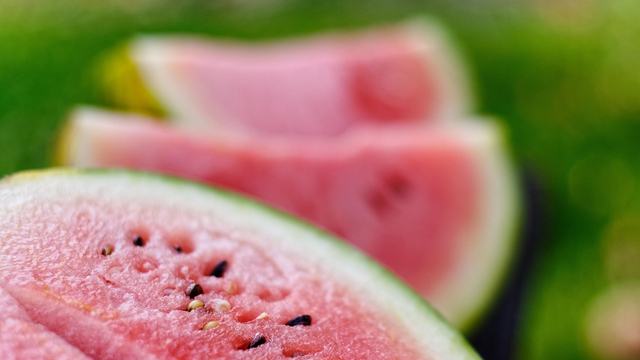
We just celebrated a momentous occasion in the history of this country, the 250th anniversary of our Founding Fathers signing the Declaration of Independence. Along with celebrating the Fourth of July annually, we each can probably recall fond memories from years gone by, or maybe you’re young and starting new traditions with your family. Some of those traditions may include grilling hamburgers and hotdogs, or maybe corn on the cob, finishing it off with apple pie topped with some homemade vanilla ice cream. Hey, don’t forget the watermelon; nothing says summer and Fourth of July like a slice of cold watermelon – always a refreshing treat to enjoy when coming inside from the heat of the day. So, I thought I would share some fun facts about our delicious and healthy summer fruit.
Did you know the watermelon is entirely edible? Not only can you enjoy the sweet, fleshy heart of the melon we love so dearly, but you can also pickle the rind and eat the seeds dried or as sprouts! Two cups of watermelon have 80 calories, no fat, 8 percent of your daily allowance of vitamin A, 8 percent of vitamin B6, 25 percent vitamin C, 6 percent magnesium, 8 percent thiamin, and 2 percent phosphorus. Who would have thought there are 10 grams of protein in an ounce the seeds!
So, where did our watermelon fruit come from? This story will start in Africa. As a matter of fact, the wild ancestors still grow like weeds there today. Like our present-day watermelon, those melons are full of water, and some still have the similarly colored green rind. These ancestral plants have pale yellow to almost white flesh and they taste very bitter. Some even have fuzzy rinds. Interestingly, the first known recording of watermelon cultivation has been from Egypt 3500 to 4000 years ago, with seed, leaves, and paintings found in Egyptian tombs – including King Tut’s.
So, where do watermelons grow? Many of you know they thrive on well-drained soil with eight or more hours of direct sun. Of course, they need water to develop, so irrigation is important for commercial production. North Carolina grows our fair share, as we usually rank about fifth nationally in watermelon production, growing around 10,000 acres. Which county do you think grows the most watermelons? If you said Sampson, then you are correct. Matter of fact, Sampson County grows more than the next four NC counties ranking in production combined, which are Wayne, Hertford, Chowan, and Nash.
The last question, where can I buy my watermelon? There are endless outlets you can purchase a watermelon, but we would like to encourage you to buy local if possible. We have many roadside farmstands throughout the county, and you can always check the Robeson County Farmers Market located in the plaza of downtown Lumberton during its operating hours. So now, during these hot summer days, why not enjoy some cool refreshing watermelon